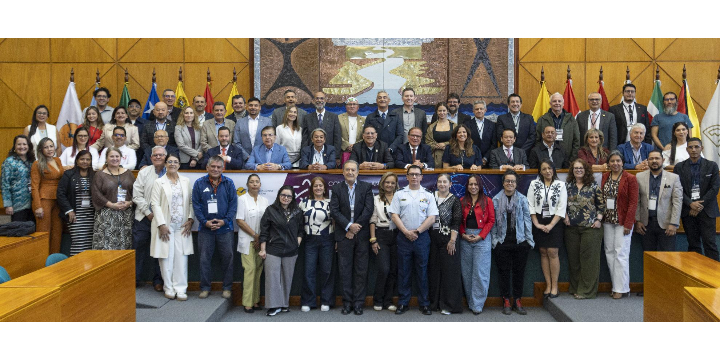
In a keynote speech delivered at the Opening Ceremony of the IIAS-KSG Mombasa Conference 2024, Dr. Ra'ed Ben Shams, President of the International Institute of Administrative Sciences (IIAS), highlighted critical issues facing Africa and the world at large that impede the realization of international collaboration and effective governance.
Here are the key highlights from his address:
Challenging Misinformation and Distorted Perceptions: Dr. BenShams emphasized the importance of confronting and dispelling misleading narratives and stereotypes about Africa. He pointed out the impact of distorted maps and baseless rumors, underscoring how these falsehoods hinder international collaboration and perpetuate inaccurate perceptions.
Overcoming New Colonialism and Exploitation: Dr. BenShams spoke passionately about the need to address economic dependence and the exorbitant payments by some countries to ex-colonial powers in the form of raw minerals. He called for unity and resolve to build a future free from exploitation, stressing the importance of sovereignty and economic independence for nations.
Cultivating Leadership and Empowerment: Dr. BenShams emphasized that leadership is a collaborative endeavor that involves cultivating and inspiring other leaders. He advocated for a culture of mentorship, empowerment, and values-driven leadership to unleash the potential of individuals and create a ripple effect of positive change.
Embracing Diversity, Inclusivity, and Good Governance: Dr. BenShams highlighted the significance of embracing diversity, promoting inclusivity, and adopting good governance practices. He underscored the importance of ethical leadership, universal human rights, and multi-collateral governance to create a realistic and livable world that leaves no one behind.
In his conclusion, IIAS President reiterated the urgency of addressing misinformation, overcoming exploitation, cultivating ethical leadership, and embracing diversity and good governance. He urged practitioners to actively challenge and counteract misleading narratives, reduce economic dependence, and promote values-driven leadership. Dr. BenShams emphasized that by upholding these principles, we can pave the way for informed and productive partnerships that benefit all nations.